
Born and raised in the city of Chandigarh, India, Sunil Kumar admits he began his homeopathy education as a skeptic.

Home Visits Available
A little something about me.
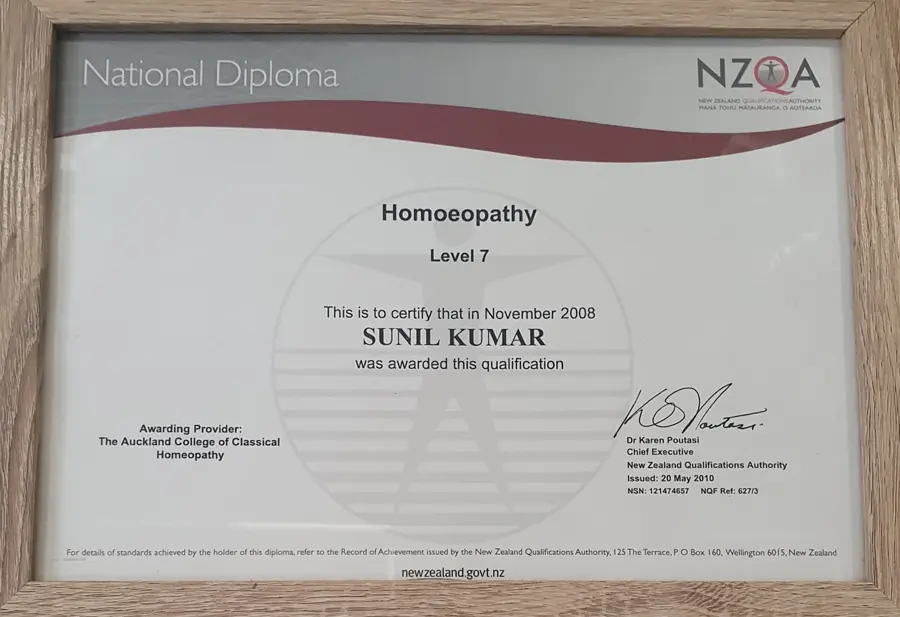
“I confronted my lecturers and professors many times, saying Homeopathy is just a placebo,” Sunil says. “As I saw the magic these medicines did, I realized how wrong I had been. ”After graduating from Chandigarh Homeopathic Medical College with a Bachelor of Homeopathic Medicines and Surgery (5 and half years), Sunil moved to Auckland and went on to study a National Diploma in Classical Homeopathy (4 years).
I have been in clinical practice in Australia for the last 5 years and worked as a Homeopathic Consultant for the 12y in New Zealand. Over the years, I have gained a lot of love and respect from people I’ve helped with Homeopathic treatments, but I think there are still a lot of people who are unaware of how helpful it can be.”
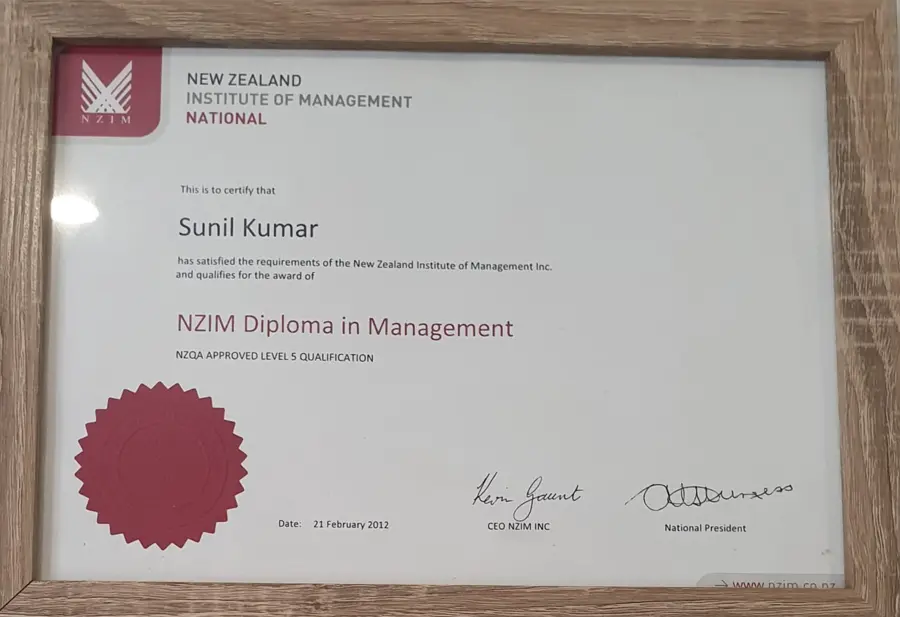
As a long-life learner, Sunil is result-oriented, professional and committed to restoring health and wholeness. He follows the Code of Ethics of the Australian Council of Homeopaths and guarantees strict confidentiality.
Around the world, more than 300 million people in at least 70 countries use homeopathy either alone or in combination with other care to treat themselves. The use of this therapy is growing, particularly in certain areas of the world such as Northern Europe, where life expectancy is one of the highest in the world.
THE WORLDWIDE GROWTH OF HOMEOPATHY
If you’re interested in booking an appointment or would like more information, please contact
Dr. Sunil Kumar on:
Homoeopathy is an unproven science.
Majority of the population has been using homoeopathic products occasionally. Many more have heard about it. Yet, only a very small percentage of the public is regularly seeing a homoeopath as the first doctor of choice or using homeopathic medicines as a first line therapy of choice.
Homoeopathy is based on experimental pharmacological and clinical data. Over the years, homoeopathic medicines have been extensively studied for their efficacy in a variety of indications.
Homoeopathy is slow acting and cannot be used in acute cases of fever, diarrhoea, cough, cold, etc.
Fact: Homoeopathy is fast acting in acute cases and can be effectively used in treating infections, fever, cold, etc. Unfortunately, people tend to go to a homoeopath only when the acute problem has become chronic. Naturally, these cases take longer time to treat. Also, most people take recourse in Homoeopathy in cases of arthritis, allergic asthma or skin conditions etc., which take a longer time to treat with any other medicines too.
Allopathic or other treatment cannot be taken with homoeopathic medicine?
Another very common misconception is that allopathic or other medicines can’t be taken with homoeopathic medicine. But if a person is on long continued allopathic treatment, especially steroids or “life-saving drugs”, discontinuing the medicine abruptly might cause sudden increase in the intensity of his symptoms. So the best way is to reduce the dosage of the allopathic medicine gradually as the improvement starts & then stop them under the supervision of the doctor.